

Can you use an Air Purifier at Night? February 14, 2026 15:08
Sleeping is meant to be the most refreshing part of your day. However, if you wake up feeling tired, stuffed up, or with a slight headache, the issue might not be your mattress or how much time you spend on screens – it could actually be the air you breathe. Specialists believe that the quality of the indoor air has a larger impact on sleep and heart health than many people think, and using an air purifier while you sleep might really help. Here is what studies and research show. We spend about one-third of our lives sleeping. During this time, your body constantly breathes in indoor air that could have dust, pet hair, mold spores, harmful chemicals known as volatile organic compounds, and tiny particles called PM2.5. These small pollutants can irritate your airways, cause nasal inflammation, and disrupt your breathing patterns, all of which can disturb deep sleep. At night, your body’s immune and repair systems are active. If the air is dirty, your body has to work harder, which can lower the quality of sleep and cause you to feel tired even after a full night’s rest in bed. Research shows that it can indeed help. A study conducted in 2023 revealed that individuals sleeping with a HEPA air purifier (which can eliminate 99.97% of tiny airborne particles such as dust, pollen, mold, and bacteria) slept longer and spent more time in bed than those who did not use one. Scientists think this occurs because cleaner air lessens airway irritation and inflammation. Air pollution can cause oxidative stress, a process that harms cells and tissues and hinders normal recovery while you sleep. Eliminating those irritants makes your breathing more regular, which helps your body reach deeper sleep stages. Long-term exposure to PM2.5 pollution has been connected to high blood pressure and strain on the heart. Pollutants can incite inflammation in the body and oxidative stress, both of which impact blood vessels and circulation. Studies have shown that using air purifiers indoors for anywhere from a week to several weeks resulted in noticeable decreases in blood pressure on average. Researchers propose that reducing exposure to pollutants at night gives the heart a chance to rest from ongoing environmental stress. The important part is the filter. True HEPA filters are made to catch very small particles, even those that you cannot see. As air moves through the filter, pollutants get trapped in the tiny fibers, allowing cleaner air to flow back into the room. This is why experts recommend true HEPA models rather than simple filters or ionizers.
Read More
Xiaomi Watch 5 to be Launched in Europe February 14, 2026 12:55
Xiaomi might soon broaden the Watch 5 series beyond China, as a new report indicates a possible launch in Europe. The smartwatch, which first appeared in China at the end of December, is now rumored to be coming to places like Czechia at a higher cost than what it sells for in China. Leaked information hints at a version for global markets that runs on Wear OS, featuring high-quality materials and improved health tracking capabilities. However, Xiaomi has not provided any official details on when it will launch worldwide. According to a report from Czech source Svetandroida, the Xiaomi Watch 5 could come to Europe priced at CZK 7,990 (about Rs. 35,400) or EUR 329 (roughly Rs. 35,400). The article states that the smartwatch will be introduced in the Czech market after its release in China in late December. The Xiaomi Watch 5 is anticipated to be available in certain international markets, featuring color options like Black and Juniper Green in a 47mm size. It will probably use Google's Wear OS instead of Xiaomi's own system, allowing users to access the Play Store and a broader range of apps. In China, the starting price of the Xiaomi Watch 5 is CNY 1,999 (around Rs. 15,000), while the eSIM version is priced at CNY 2,299 (approximately Rs. 29,000). The report mentions that the global edition of the Xiaomi Watch 5 is likely to have features similar to those of its Chinese version. Xiaomi has yet to announce any official pricing or rollout dates, but leaks suggest that the Watch 5 may launch alongside the Xiaomi 17 series and Xiaomi Pad 8 lineup. Regarding specifications, the Xiaomi Watch 5 is expected to have a 1.54-inch AMOLED screen with a resolution of 480x480, peak brightness of 1,500 nits, and sapphire glass for protection. It is also said to include a 316L stainless steel casing, 5ATM water resistance, and a 930mAh battery that could last up to six days in smart mode or up to 18 days in power-saving mode. The Xiaomi Watch 5 smartwatch is also likely to have two processors, consisting of a Snapdragon W5 chip alongside a power-efficient coprocessor. Health functionalities might feature heart rate monitoring, SpO2 measurement, ECG capabilities, and an EMG sensor for gesture controls. The report further notes that while an LTE version with eSIM remains uncertain, some listings hint that it could also be available in European markets.
Read More
Indians can now Visit One Extra Country Visa-Free February 14, 2026 12:32
Whether it’s the farthest parts of the nation or internationally diverse cultural spots, people from India have shown a strong passion for discovering a variety of travel destinations. Recently, the ranking of India’s passport improved to the 75th position globally, based on the recent Henley Passport Index data from February 2026. This highlights the travel opportunities available to Indian nationals, allowing them to visit 56 countries without a visa or with a visa on arrival, an increase from 55 countries noted in the January 2026 ranking. Historical information from the past 20 years provided by the International Air Transport Authority (IATA) shows that one of the visa-free countries for Indian travelers is The Gambia. This small nation, referred to as the “Smiling Coast of Africa,” is located in West Africa and features a mix of beach relaxation, rich cultural history, and plenty of wildlife adventures. The Gambia is a narrow West African country that shares its border with Senegal and has a thin coastline along the Atlantic Ocean. The land stretches about 15 to 30 miles wide and runs for roughly 300 miles along the Gambia River. With peaceful beaches and rich wildlife in places like Kiang West National Park and the Bao Bolong Wetland Reserve, The Gambia offers a calming vacation. Visitors can come to The Gambia through direct flights from European countries, especially the UK and Belgium, or travel by land from Senegal to Banjul International Airport (BJL). The country draws travelers during its sunny, dry season from November to May, as it showcases various ecosystems along the central Gambia River. The period from July to October is best to avoid due to hot and humid conditions, along with regular rains that can complicate travel. Travelers can enjoy lively beach areas like Senegambia Beach and Kotu Beach, or opt for the more tranquil shores found at Kartong and Gunjur beaches in the southern region. Enjoy a boat ride on the River Gambia to see hippos, crocodiles, and various birds in their natural surroundings. Explore destinations like Abuko Nature Reserve, the sacred Kachikally Crocodile Pool, and other interesting places such as Makasutu Culture Forest and Bijilo Forest Park to experience the wildlife. Visit significant landmarks like the UNESCO World Heritage site Wassu Stone Circles in the east, the National Museum of The Gambia, and the historic Fort James Island, which has ties to the slave trade, to learn about the country’s rich culture and history. You can buy local crafts, textiles, and food at Albert Market in Banjul. For travel enthusiasts, The Gambia is undeniably a dream destination.
Read More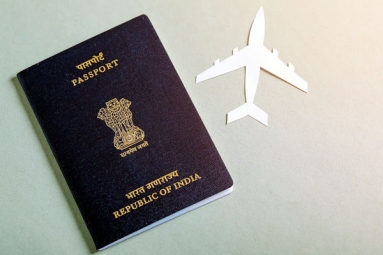
India loses Visa-Free Entry to Two Countries in 2026 February 14, 2026 10:32
The newest version of the Henley Passport Index has been released, and it shows an interesting update for India. On the surface, it seems like the country's ability to travel has gotten better. However, when looking at the actual figures, Indian passport owners can go to a few less places without needing to arrange papers ahead of time compared to the previous year. India’s rank has improved to 75th in 2026 from 85th in 2025, showing a notable rise of 10 positions. At the beginning of this year, India was in 80th place, making this recent rise in rank even more surprising within just a month. Right now, Indian passport holders can enter 56 countries without a visa beforehand. This is an improvement from 55 in January 2026, but it is still down from 57 countries that were available in 2025. This means that India has climbed the global rankings despite losing the chance to enter two nations without a visa. So, how can a passport's rank go up while having fewer places to visit? To find out, we need to examine what the Henley Index actually measures. The Henley Passport Index, published by Henley & Partners, evaluates 199 passports concerning 227 travel locations based on how many places can be visited without a visa before traveling. The ranking uses information from the International Air Transport Association and takes into account visa-free entries, visas that can be obtained upon arrival, and electronic travel approvals in its scoring system. In simple terms, the more destinations a passport holder can reach without prior paperwork, the better their passport’s mobility score. In 2025, holders of the Indian passport could go to 57 places without needing a visa (this includes those that allow visas on arrival and electronic travel approval). By early 2026, that number fell to 55 (on January 26) before rising to 56 (in February 2026). The two countries that caused the reduction were Iran and Bolivia. Iran stopped allowing regular Indian passport owners to enter without a visa in November 2025. This change was made after multiple cases of fraud and trafficking emerged, where Indian citizens were reportedly tricked into going to Iran with fake job offers and were then held for ransom. People were misled into going to Iran by using the visa exemption available for regular Indian passport holders. Upon reaching Iran, many were taken hostage for ransom, according to a statement from India's Ministry of External Affairs made in November of the previous year. The statement noted that due to these occurrences, Iran has stopped the visa exemption for regular Indian passport holders traveling there. From late November, Indian travelers had to get a visa beforehand. Because the Henley index only includes places that don't need prior authorization, Iran no longer met the criteria. Bolivia's situation is different. In 2025, Indian nationals could get a visa upon arrival, which did not require any advance paperwork and was scored favorably in the index. By 2026, Bolivia changed the process for Indian travelers to an e-visa system. Now, applicants must apply online, submit documents, and get permission before they leave. Since this system needs prior approval, it is no longer seen as "visa-free" in the index. This change meant Bolivia was removed from the list of accessible countries for India. The timeline within 2026 shows changes as well. The January 2026 list showed a total of 55 reachable countries after Iran and Bolivia were removed. But by February 2026, The Gambia was added back to the list, bringing the total to 56. This addition partially balanced the earlier losses, but did not bring back the previous total of 57 from 2025. Even though India's visa-free score decreased a bit, its passport ranking improved because the index functions like a competition. It's not just about your specific score; it’s about how you compare to others. Imagine it like a race. India slowed down slightly, losing access to Iran and Bolivia, falling from 57 destinations in 2025 to 55 in early 2026. However, many other nations also changed their visa rules, with some losing more than India. When the final standings were arranged, India moved up in the rankings. This is because the Henley & Partners index ranks passports in relation to one another. It assesses 199 passports against 227 destinations worldwide using information from the International Air Transport Association.
Read More
North Korean Leader's Daughter Set to be his Successor February 14, 2026 09:29
The leader of North Korea, Kim Jong Un, might pick his daughter Kim Ju Ae as the next leader, according to South Korean lawmakers who shared this information on Thursday following a briefing from a spy agency. There are rumors that Kim Jong Un is working to make the teenager the fourth leader of the nation. After a private meeting from South Korea's National Intelligence Agency (NIS), South Korean politician Lee Seong-kweun told the press, “Previously, the NIS referred to Kim Ju Ae as being 'in study as successor', but today they indicated she 'was in the stage of being internally appointed successor'. ” The NIS will be carefully observing if Kim Ju Ae goes to the meeting of the ruling Workers' Party on Wednesday and how she is introduced at the event, including any titles she might receive, as reported by Reuters. Very little information is available about the girl, who is thought to be 13 years old. She first came to public attention in 2013 when American basketball player Dennis Rodman made a controversial visit to North Korea’s capital, Pyongyang. He later mentioned to The Guardian, “I held their baby Ju Ae and spoke with (Kim's wife) as well. ” Experts believe that Kim Jong Un has three children, and Ju Ae is the second one, but this hasn't been confirmed. The first time the teenager appeared in public was in 2022 during the test launch of an intercontinental ballistic missile. She has been photographed with her father at many government events since then. In January, Kim Ju Ae was seen with her father at the test launch of a large- caliber multiple-rocket launch system. In September, she reportedly took her first trip outside the country, traveling with Kim Jong Un on an armored train to Beijing to attend a military parade hosted by Xi Jinping. The young girl usually wears her hair long, which is not allowed for other girls in North Korea. Kim Ju Ae has been seen in fashionable clothes that most people in her country cannot afford, according to the BBC. Experts and North Korean defectors have previously doubted the possibility of a woman leading North Korea due to the country’s strong traditional views on gender roles. However, Kim Jong Un's sister, Kim Yo Jong, stands out as an exception. She currently holds an important position in the Central Committee of the Workers' Party of Korea. It is also uncertain why Kim Jong Un, who still seems to be in good health, is naming his teenage daughter as his successor. Since North Korea became a country in 1948, it has always been led by male members of the Kim family, starting with founder Kim Il-sung, followed by his son Kim Jong-il and grandson Kim Jong Un.
Read More
Reliance wins US licence for Venezuelan Oil February 13, 2026 15:06
The United States has granted a general permit to Reliance Industries Ltd, allowing the refinery to acquire Venezuelan oil directly without breaching restrictions, according to two knowledgeable sources. After the recent capture of Venezuelan President Nicolas Maduro by the US earlier this month, American officials stated that they would lighten the restrictions placed on Venezuela's oil sector to support a $2 billion oil supply agreement between Caracas and Washington, along with a significant $100 billion plan to rebuild the nation's oil industry. A general permit allows for the purchase, export, and sale of oil from Venezuela that has already been extracted, including the processing of that oil. Granting a permit to Reliance may accelerate the export of Venezuelan oil and lower crude prices for the operator of the largest refining facility in the world. Reliance, which sought the permit in early January, did not reply to an email asking for comments. The US Office of Foreign Assets Control did not respond immediately outside of normal working hours. Earlier this month, Reliance acquired 2 million barrels of Venezuelan oil from trader Vitol, which, along with Trafigura, received US permits to trade and sell substantial amounts of Venezuelan oil following Maduro's capture. Buying oil directly from Venezuela will allow Reliance to replace Russian oil more affordably, as heavy crude from Caracas is available at a lower price, according to one of the sources. President Donald Trump recently lifted a 25% extra tax on India and mentioned that New Delhi would likely purchase more oil from the US and possibly from Venezuela. Indian oil refiners, including Reliance, are steering clear of purchasing Russian oil scheduled for delivery in April and are anticipated to continue avoiding such transactions for the foreseeable future, according to refining and trade sources, which could assist New Delhi in establishing a trade agreement with Washington. The conglomerate had previously been a regular purchaser of Venezuelan oil for its modern refining complex but was forced to halt purchases in early 2025 due to US restrictions. Reliance runs two refineries with a total capacity of around 1.4 million barrels a day.
Read More
Why are Non-Alcoholics at Fatty Liver Risk? February 13, 2026 12:14
In India, non-alcoholic fatty liver disease (NAFLD) has turned into a hidden crisis. Recent findings from the Phenome India-CSIR Health Cohort, shared in The Lancet Regional Health Southeast Asia, reveal that nearly 38.9% of adults in India might have this liver issue. Many of these individuals are already showing signs of liver stiffness, known as fibrosis, which can eventually lead to serious liver problems. Traditionally, fatty liver was linked to heavy drinking, but new evidence points to a significant increase in NAFLD, mainly due to unhealthy eating habits, a lack of physical activity, and metabolic disorders. Here are some reasons contributing to the growing number of NAFLD cases in India, which can lead to more serious liver issues if not addressed. Key reasons for non-alcoholic fatty liver disease: Excess weight: Being overweight is one of the main risk factors for NAFLD. The rise in inactive lifestyles and high-calorie meals has led to more people being overweight or obese in India. Eating habits: The shift in what people eat, with more refined carbs, sugars, and unhealthy fats, leads to excess fat buildup in the liver. Fast food and processed items have taken over traditional meals, resulting in increased calorie intake and poorer nutrition. Insulin sensitivity issues: Conditions like type 2 diabetes and metabolic syndrome are strongly linked to NAFLD. Insulin resistance happens when body cells do not react well to insulin, causing fat to be moved from storage into the liver. Genetic influences: Some people may have a genetic tendency that makes them more prone to NAFLD. South Asians have a specific genetic vulnerability to metabolic problems. Age and gender: NAFLD is more frequently found in middle-aged individuals, but more young people are now affected because of their lifestyle choices. Men are generally more prone to developing NAFLD compared to women, although this difference decreases after menopause. Medical treatments: Some medications can lead to fat build-up in the liver. Additional health issues: Conditions like polycystic ovary syndrome (PCOS), sleep apnea, and hypothyroidism are linked to a higher chance of developing NAFLD. In India, fatty liver is often a part of metabolic syndrome and usually occurs alongside type-2 diabetes, PCOS, and unhealthy cholesterol levels. Changes in lifestyle and environment: As cities grow, many people adopt less active lifestyles. Not being physically active is connected to gaining weight and directly contributes to the accumulation of fat in the liver. Furthermore, high levels of Vitamin D deficiency are strongly linked to metabolic syndrome and the progression of fatty liver. Eating well, being active, keeping a healthy weight, and reducing alcohol consumption can help stop fatty liver disease. Also, checking your liver health with regular doctor visits can help find problems early on. Blood tests and scans can show how well your liver is working and how much fat it has. Non-alcoholic fatty liver disease often develops without clear signs, making it a hidden danger. If not treated, it can progress to more serious liver diseases, like non-alcoholic steatohepatitis, fibrosis, cirrhosis, or even liver cancer. Finding and treating the illness early is very important to manage it and avoid complications. If you think you might be at risk or notice symptoms like tiredness, stomach pain, or sudden weight loss, it is very important to get medical help right away. Good management can enhance liver health and general wellness, showing how necessary early detection and changes in lifestyle are.
Read More
Ten Hormone Biohacks for Women February 13, 2026 11:59
Are you feeling overwhelmed by your hormones? From what you eat and weight changes to mood shifts and beyond, having hormonal imbalances can truly impact your daily life. But what if straightforward tweaks could help alleviate many of these issues? In an Instagram clip, Dr Geetika Mittal Gupta, a well-known aesthetic doctor and certified dermatologist, shares 10 hormone hacks that every woman should understand. This expert in skin care, focusing on non-invasive methods for anti-aging, acne treatment, hair loss, and body shaping, has also collaborated with numerous celebrities, like Soha Ali Khan and Kusha Kapila. In the video, she emphasizes, “Most women don't experience 'hormone issues,' they experience habit issues. ” She further explains that these minor daily hacks can successfully address problems that pills may not resolve. These hormone hacks include: Monitor Ovulation Instead of Just Menstrual Cycles: Dr Gupta states that knowing your ovulation cycle is essential for hormone wellness and balance. She points out that keeping track of ovulation each month is crucial since it truly reflects your hormonal health. Boost Caloric Intake Post-Ovulation: In the latter part of your cycle, she suggests consuming a bit more nutritious food to help maintain progesterone levels and alleviate PMS symptoms, which encompass physical and emotional changes before or after your period, like mood swings, tiredness, irritability, and bloating. Engage in Strength Training Two to Three Times a Week: Her advice is to incorporate strength workouts two to three times a week to stabilize blood sugar and avoid hormonal weight gain. Get Sunlight in the Morning Within One Hour of Awaking: Morning sunlight serves as a vital natural source of Vitamin D for your body. The skin specialist also mentions soaking up the sun within the first hour of waking to "reset cortisol" levels and "sleep hormones" like melatonin. Check Ferritin Levels, Not Just Haemoglobin: She recommends, “Request a check of iron levels (ferritin) to fix fatigue and hair shedding early on.” Make Sure You Have Regular Bowel Movements: “Support daily digestion with fiber, hydration, and physical activity to help eliminate excess hormones from your body,” Dr Gupta states. Aim for 7 to 8 Hours of Sleep Each Night: The significance of obtaining adequate sleep for your health is crucial. Likewise, the dermatologist notes, “Protect your hormones by consistently getting seven to eight hours of sleep, as rest aids in repairing hormonal signals. ” Avoid Overdoing Cardio and HIIT: She suggests balancing your fitness regime by reducing excessive cardio workouts and emphasizing recovery, particularly if your cycles are irregular. Opt for Glass and Steel Containers Instead of Plastic: The doctor encourages using glass and steel containers rather than plastic to minimize hormone disruption. Manage Stress to Support Progesterone: "Reduce daily stress through breathing exercises, walking, or enjoying quiet time, as a calm nervous system helps support progesterone," she explains. To wrap it up, adding these easy biohacks into your everyday life can assist in maintaining hormone balance and enhancing your overall health.
Read More
Nothing Phone 4a Pro Configurations Leaked February 13, 2026 08:46
Nothing Phone 4a Pro and Phone 4a have recently been seen on various certification platforms like EEC, TDRA, and BIS across Europe, the UAE, and India, suggesting they will soon be launched in certain worldwide markets. The smartphones are likely to be revealed by the tech company led by Carl Pei in early March. Before the launch announcement, the Nothing Phone 4a Pro has allegedly appeared on a benchmarking site, showing its main features. Additionally, the colors and storage options for both phones have been shared online. In a message on X, tipster Abhishek Yadav (@yabhishekhd) stated that the Nothing Phone 4a Pro has been listed on the Geekbench benchmarking site. It was reportedly shown to have Qualcomm's Snapdragon 7s Gen 4 processor, which includes four efficiency cores running at 1.8GHz, three performance cores at 2.4GHz, and one prime core that reaches a top speed of 2.71GHz. The phone was also noted to have 12GB of RAM and Android 16. The Nothing Phone 4a Pro is said to have scored 707 points in the single precision test, 1,077 points in the half precision test, and 1,265 points in the quantized test. Additionally, tipster Sudhanshu Ambhore has revealed the storage and color choices for the upcoming Nothing Phone 4a and Phone 4a Pro, claiming that the UK-based smartphone company will soon launch the series in selected global markets. Both versions are expected to come in an 8GB+128GB memory and storage setup. The regular model may be available in Black and White colors, while the Pro model could come in Black and Silver options. This announcement follows Nothing teasing the arrival of an “(a)” branded device, likely referring to the Nothing Phone 4a series. The company suggested that the new series might be offered in Blue, Pink, Black, White, and Yellow color choices. Although the tech company has not yet shared the specific launch date, a recent report has mentioned that the Nothing Phone 4a series will be unveiled in selected global markets on March 5. Furthermore, it is expected to come with UFS 3.1 internal storage and a slightly larger battery.
Read More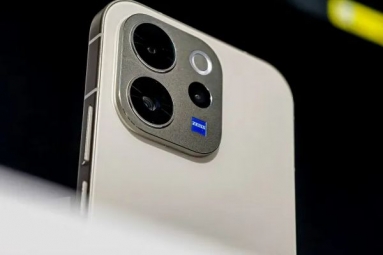
Vivo V70, Vivo V70 Elite Configurations Leaked February 12, 2026 14:32
The Vivo V70 series is expected to launch in India in February as the next model after the V60, which came out in 2025. Before the official release, details about the pricing for the Vivo V70 and Vivo V70 Elite have been revealed, indicating that the company aims to cater to various price ranges with both the standard and Elite models. The Vivo V70 is said to be available in two versions, while the V70 Elite might feature as much as 12GB of RAM and up to 512GB of internal storage. A tipster named Abhishek Yadav disclosed the leaked prices of the upcoming Vivo V70 series in a message on X. According to the tipster, the starting price for the Vivo V70 in India will be Rs. 45,999 for the entry-level version, which includes 8GB of RAM and 256GB of storage. There is also a version with 12GB of RAM and 256GB of storage expected to be priced at Rs. 49,999. The phone will come in Passion Red and Lemon Yellow color choices. On the other hand, the Vivo V70 Elite is expected to start at Rs. 51,999 for the configuration with 8GB of RAM and 256GB of storage. The tipster also mentioned that the forthcoming device will be available in configurations of 12GB + 256GB and 12GB + 512GB, which are likely to cost Rs. 56,999 and Rs. 61,999 respectively. This matches a recent leak that indicated the new phones would be priced below Rs. 55,000 in India. The tipster mentioned that pre-orders for the Vivo V70 series will start today and continue until February 24. The sale period for the V70 and V70 Elite is believed to take place from February 25 to 28. The official launch for the new Vivo V70 Elite and Vivo V70 will be on February 19 at 12pm IST. Both phones in the Vivo V70 series are reported to have the slimmest bezels, measuring just 1.25mm, in the price range under Rs. 50,000 in India.
Read More