(Image source from: Ndtv.com)
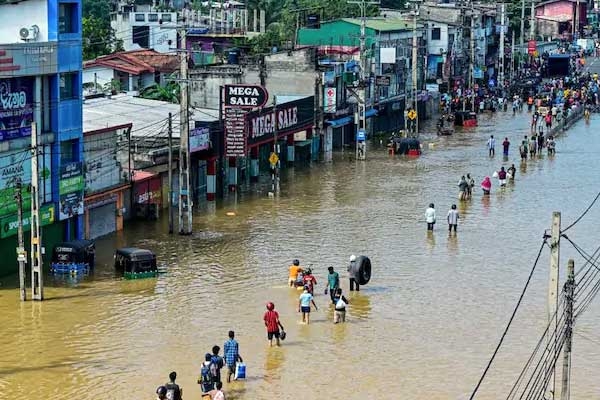
November through January is typically the most active period for Rohan Anil Kumara's three-bedroom guesthouse located in the scenic hill country of Sri Lanka, which is known for its tea fields, historical landmarks, and charming villages. However, after Cyclone Ditwah wreaked havoc on the island last week, resulting in nearly 500 fatalities, Kumara now finds himself at a relief center, unsure when he will be able to restore his business. His home, which once generated more than $30 per night, enough to support his family, is now damaged, forcing the 37-year-old to cancel all his reservations for December and January. "I am still receiving inquiries, but we cannot take them," Kumara expressed from the Kithulbedda relief center, where he and his family of six relocated last Friday. "I have no idea when we will be able to rebuild and get back to normal." His experience highlights the fragility of small businesses that are essential to Sri Lanka's tourism sector, which is the third-largest source of foreign income after remittances and clothing, contributing to 4% of the nation's GDP.
A rebound in tourism has assisted Sri Lanka in bouncing back from its severe economic problems, which peaked in 2022, but the extensive destruction caused by Cyclone Ditwah represents a significant hurdle. The cyclone has impacted almost 10% of Sri Lanka's 22 million people, damaging or destroying thousands of homes and resulting in at least 486 deaths, with many still unaccounted for. It also affected transportation routes, power infrastructure, and telecommunications, along with considerable agricultural losses. The Hotels Association of Sri Lanka remains hopeful for a quick recovery as cancellations remain low at approximately 1%, according to association president Asoka Hettigoda. "Hotels around the island are still operational," he stated to Reuters. "Even in Kandy and Nuwara Eliya, which were heavily impacted, tourists are safe and enjoying their visit, although access remains challenging due to blocked roads."
By mid-November, tourist arrivals had surpassed two million, and officials aim to achieve 2.6 million by the year's end, the highest number since the COVID-19 pandemic, thanks to visitors from India, Russia, Germany, France, and the UK. Authorities have flown stranded tourists to safety, waived overstayed visa fees, and allowed free changes to flight bookings. The tourism sector is also advocating for an expanded visa-free initiative and initiating social media efforts to reassure travelers. Tour guides have modified their itineraries to steer clear of the hardest-hit regions. For Estelle Burgess, a 71-year-old tourist from Australia, the cyclone was merely another episode in her Sri Lankan journey. She arrived about a week ago and intends to remain for an additional six days. "We are hoping for better weather so that we can enjoy the beach," Burgess remarked outside Kandy's Temple of the Tooth, one of Sri Lanka's holiest Buddhist sites and a UNESCO World Heritage location. "Sri Lanka is truly an adventure. You never know what is coming next."